Living heritage
Cultural heritage
Across Tirap, culture is woven into villages, seasonal work, oral memory, and public celebration—not a show put on for cameras, but everyday life you are invited to witness with respect.
Introduction
The district is home chiefly to Nocte and Tutsa communities whose traditions shape language, dress, cuisine, bamboo and cane craft, and the rhythm of festivals after harvest and sowing.
For community names, villages, and festival context, start with the Tribes overview and the Festivals calendar, then plan routes from Places of interest and How to reach.
Glimpses from the field
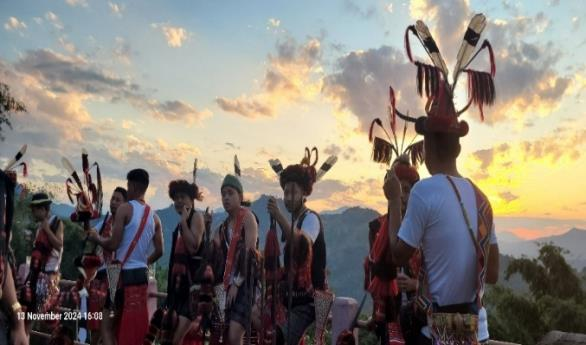


What makes Tirap distinct
Village life. Clustered houses, granaries, and morungs (young men’s dormitories in Nocte and related tradition) remain social anchors. Elders often hold knowledge of genealogy, boundary stories, and ritual calendars.
Material culture. Bamboo splits for baskets and mats, cane backpacks, iron tools, and handwoven textiles appear in daily use and festival dress. Markets in Khonsa are a practical place to see craft without intruding on private homes.
Food and hospitality. Smoked meats, fermented bamboo shoot, sticky rice, and mild rice beer (apong) are offered generously at feasts—accept portions you can finish, ask about ingredients if you have dietary needs, and never drink if you will drive.
Tutsa heartland
Visitors exploring Tutsa areas often include Tutnyu and surrounding settlements—paramount villages where oral tradition, agriculture, and seasonal gatherings remain central. Go with a local host or guide arranged through your stay or the tourism office so introductions are appropriate.
Laju and the Olo belt and Borduria pages describe nearby geography and Nocte-linked sites that pair well with a cultural itinerary.
Visit thoughtfully
- Ask before photographing people, rituals, or inside morungs and homes; some festival segments may be private.
- Dress modestly; remove hats where elders gather; avoid loud behaviour near prayer sites.
- Carry out litter, follow forest and village rules, and confirm ILP / permit paperwork before crossing checkpoints.