People & heritage

Tribes of Tirap

Nocte and Tutsa communities—hilltop villages, bamboo craft, and festivals that colour life across the district.

Overview

Tirap District is known for its tribal diversity. The Nocte and Tutsa are the principal indigenous peoples most closely associated with the district.

These communities represent the main tribal traditions visitors encounter in Tirap. The summaries below highlight where they live in the district, everyday life, crafts, and major festivals.

Tribes in detail

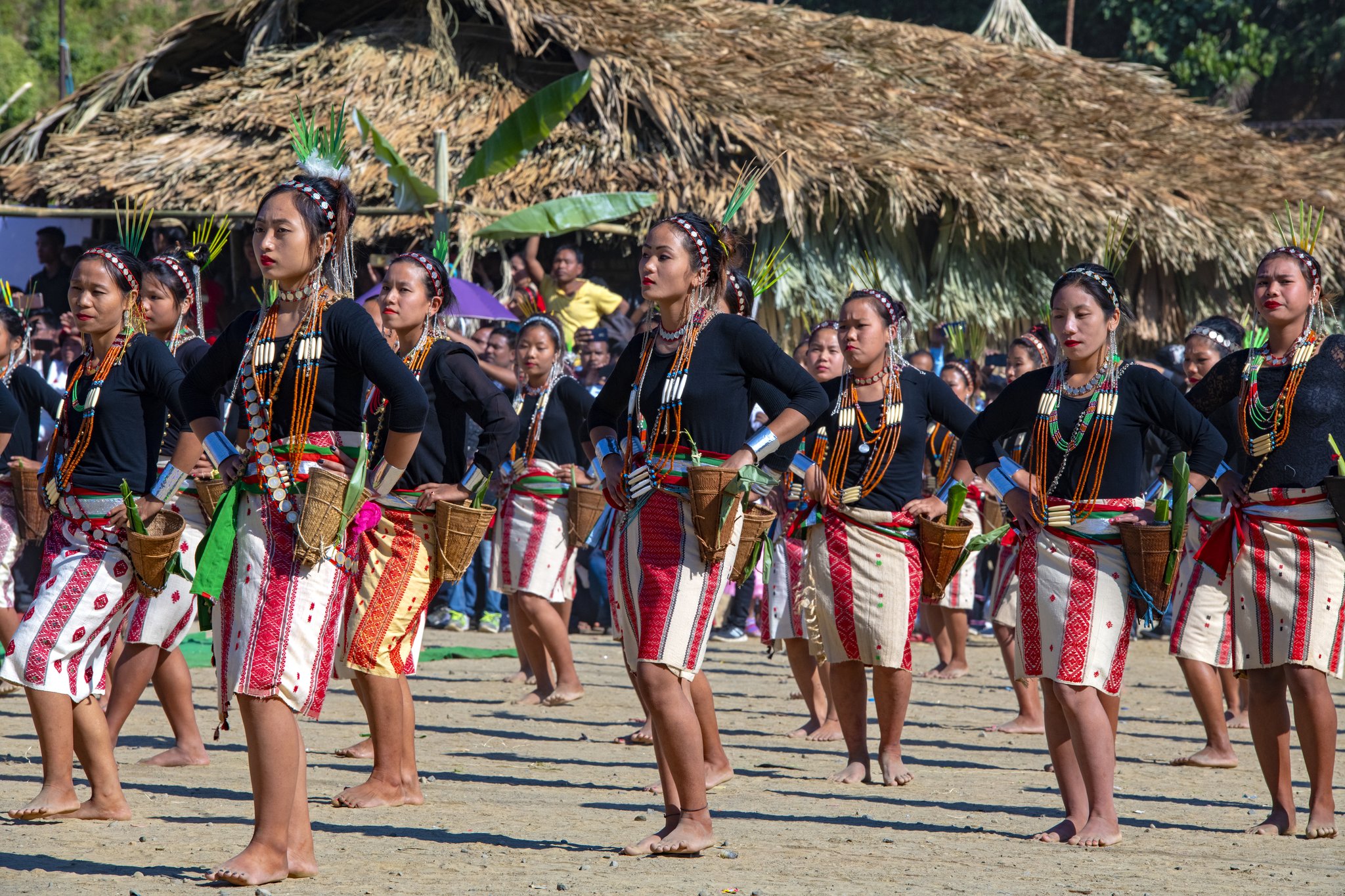
Landscape and community life in Nocte areas of Tirap
Northeast Tirap · hilltop villages

The Noctes

The Noctes occupy the northeastern part of Tirap district. They are medium-built with Mongoloid facial features. Villages are located on hilltops and are densely clustered. They are skilled in crafts, especially bamboo and cane work, often decorated with goat hair and intricate designs.

Traditional attire includes loincloths for men and skirts for women. Ornaments are important, and tattooing was once common among women. Social life is organised around the chief (king) and the wider village. The principal harvest festival, Chalo Loku (late November), offers visitors a strong sense of traditional Nocte life—see also the Festivals page.
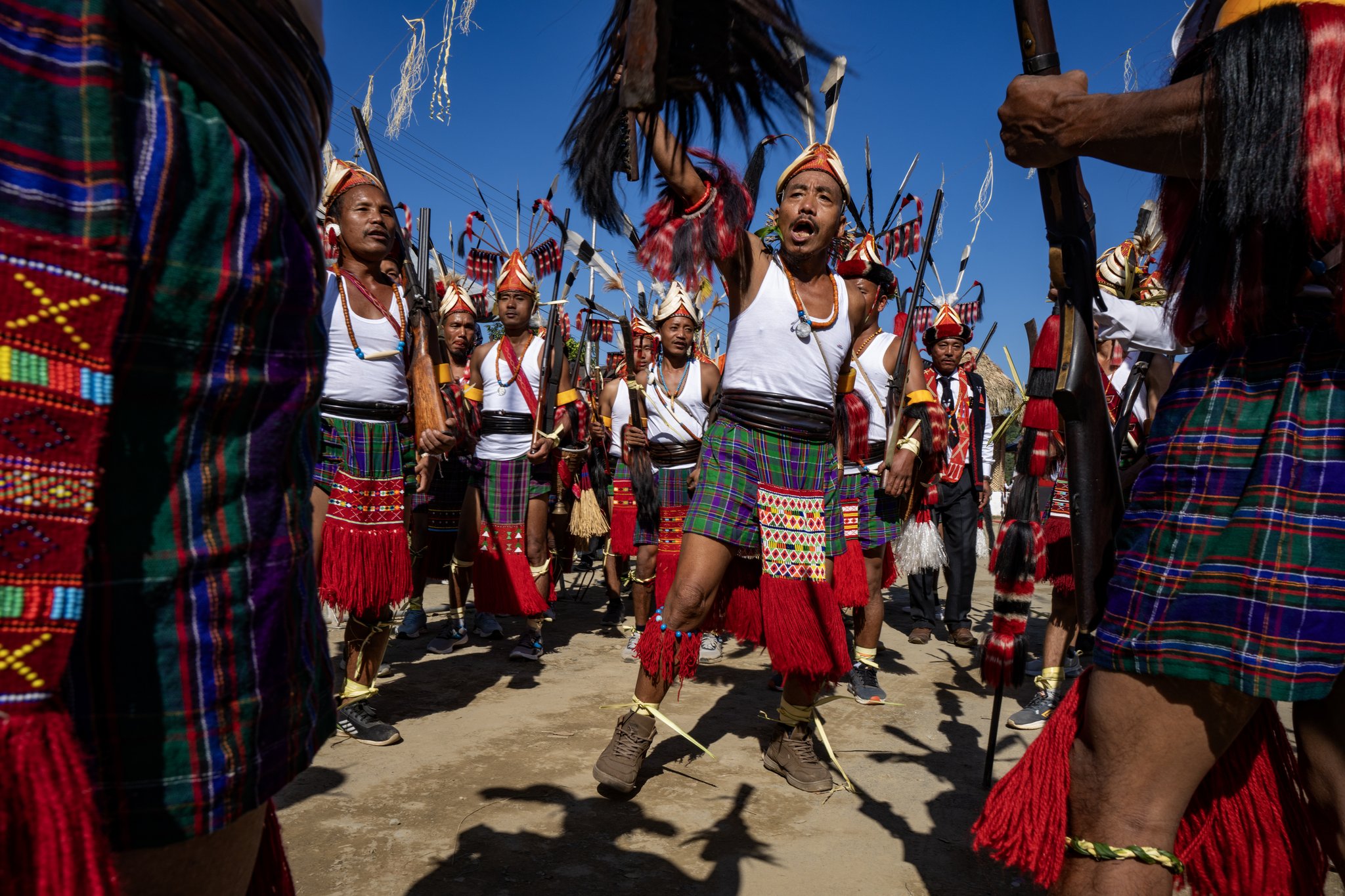
Tutsa area culture and dress in Tirap district
East & south Tirap · Barap belt

The Tutsas

The Tutsas inhabit the eastern and southern parts of Tirap, including areas bounded by the Barap River. Men traditionally wear loincloths, women wear skirts, and bead necklaces are common. They are skilled in weaving and beadwork.

Tutsa society is patriarchal, with a chieftainship headed by the Lowang (primogeniture). The village council, Ngoangthun, looks after local affairs. Shifting (jhum) cultivation is widely practised. Major festivals include Pongtu Kuh and Ronghun Kun; Pongtu is the principal harvest festival—described on the Festivals page.

For seasonal events and dances, open Festivals; for wider context see Cultural highlights and the Photo gallery.