Scan the QR Code to Know More
Scan the QR Code to Know More
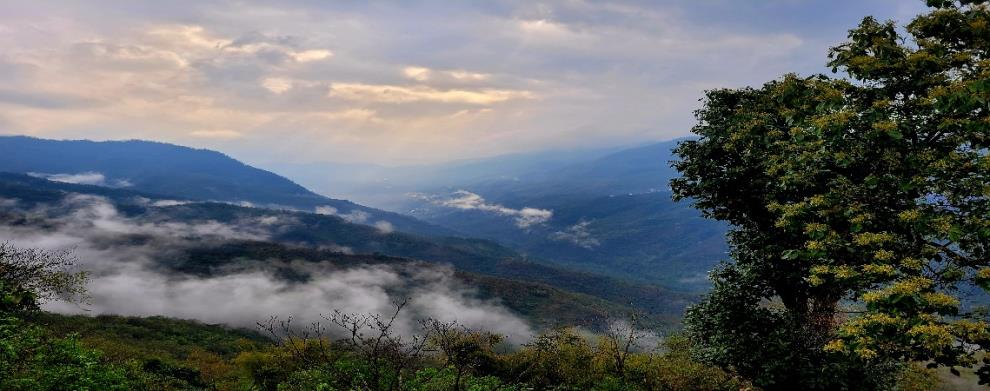
Tirap District, covered by picturesque hills, lies in the southern part of Arunachal Pradesh. It is located approximately between latitudes 26°38′N and 27°47′N and longitudes 95°16′E and 95°40′E. The district is bordered by Dibrugarh District of Assam in the north, Myanmar in the south, Changlang District in the east, and Longding District in the west. It covers an area of approximately 1170 sq. km and had a population of 95,022 as per the 2011 Census.
The district derives its name from the river Tirap, which rises from a high peak in Laju in the southeast and flows northeast into Changlang District, finally merging with the Burhi-Dihing river near Ledo in Assam. Historically, the district was known as the Tirap Frontier Tract, created in 1943 by carving out areas from Lakhimpur and Margherita, and placed under the charge of a Political Officer. After India’s independence, under the North-East Frontier Area (Administration) Regulation, 1954, it was renamed as the Tirap Frontier Division, and its headquarters moved from Margherita to Khela, then later shifted to the present headquarters at Khonsa. In 1965, the division was formally recognized as Tirap District, and the Political Officer was designated as Deputy Commissioner.
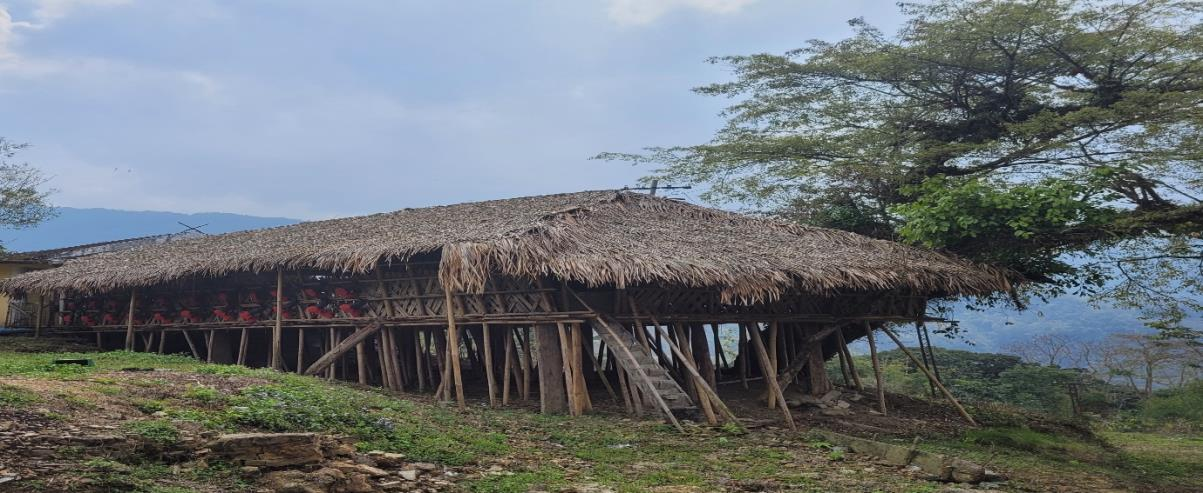
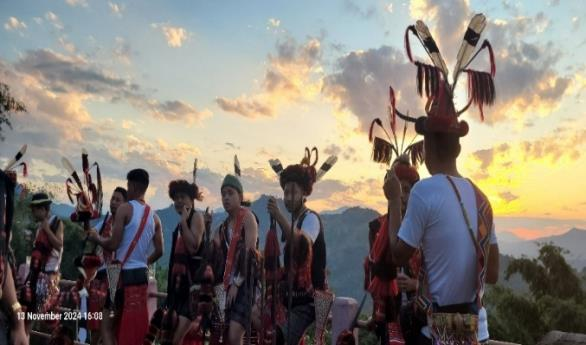
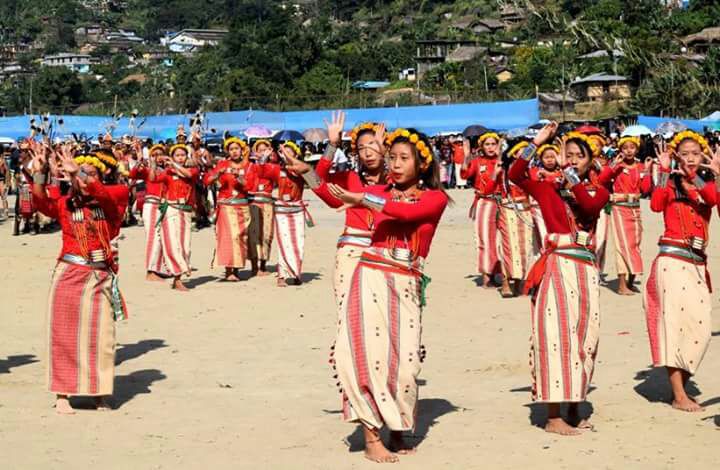
Join tribal festivals, enjoy traditional dances, and discover centuries-old customs that remain alive today.
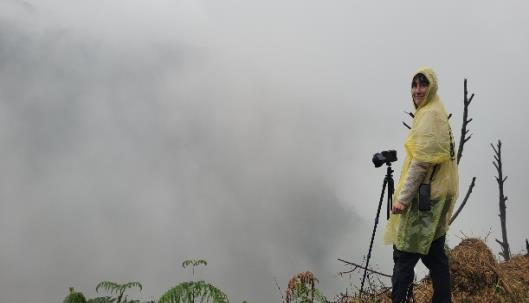
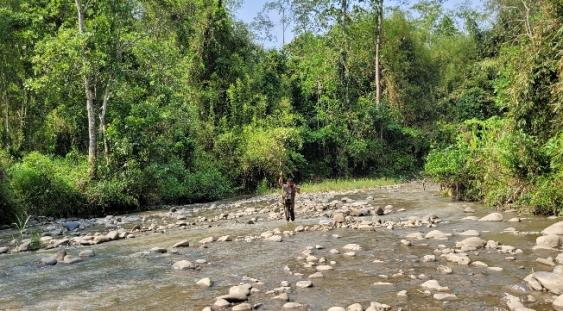
Trek through the Patkai hills, camp under starry skies, and explore untouched forests rich with biodiversity.
Learn from locals who live in harmony with nature through eco-friendly practices, bamboo crafts, and organic farming.
Feel at home with the kindness of Tirap’s people—taste local delicacies, rice beer, and enjoy heartfelt welcomes.
Reconnect with yourself in serene valleys and riversides perfect for reflection and slow travel.
Reach Tirap easily from Dibrugarh (Assam) and Tinsukia (Assam) via scenic road trips, with help on permits and local guidance available.
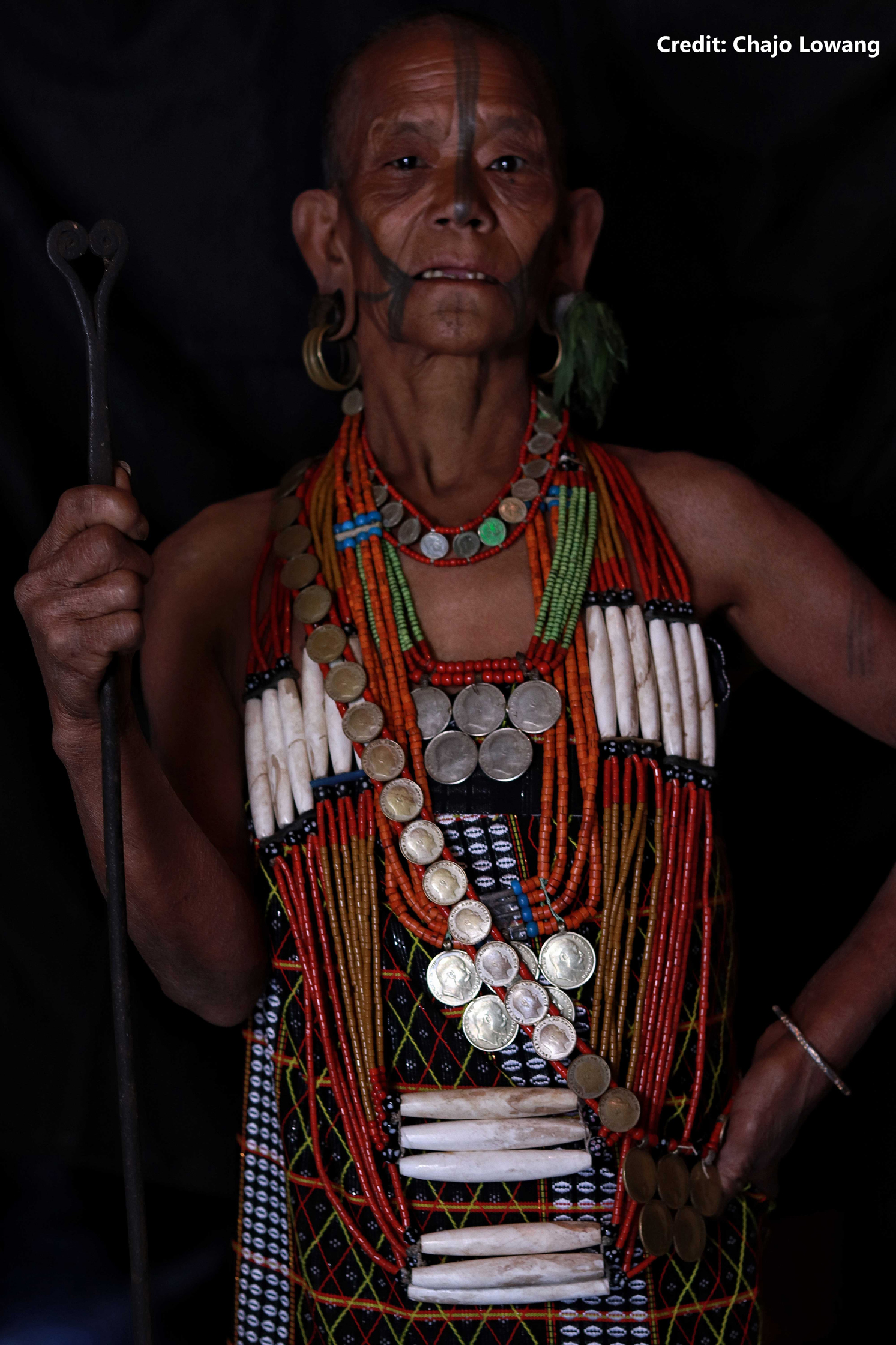
Showcasing the rich cultural heritage of Tirap through traditional ornaments and attire.
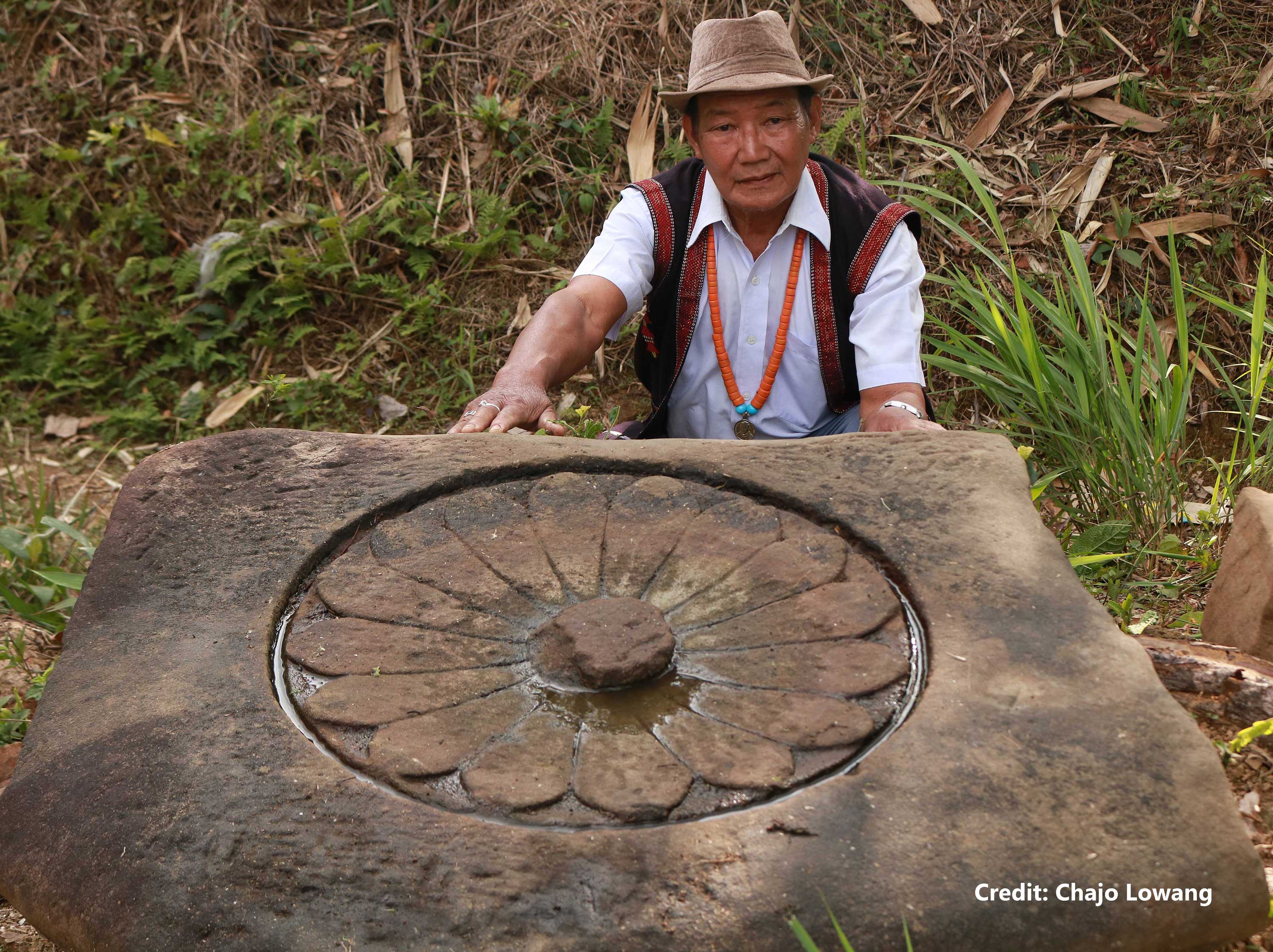
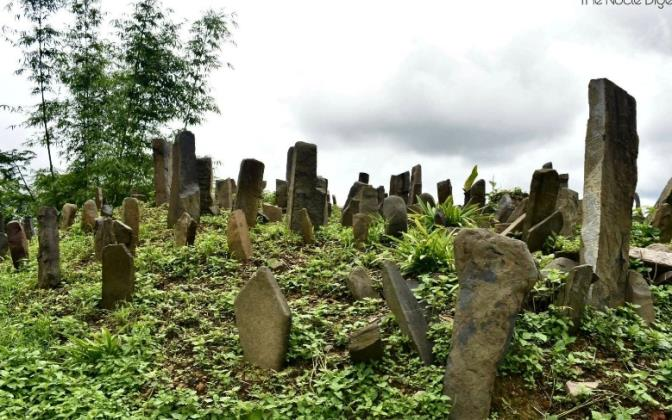
A glimpse of Tirap’s historic stone art symbolizing faith and tradition.
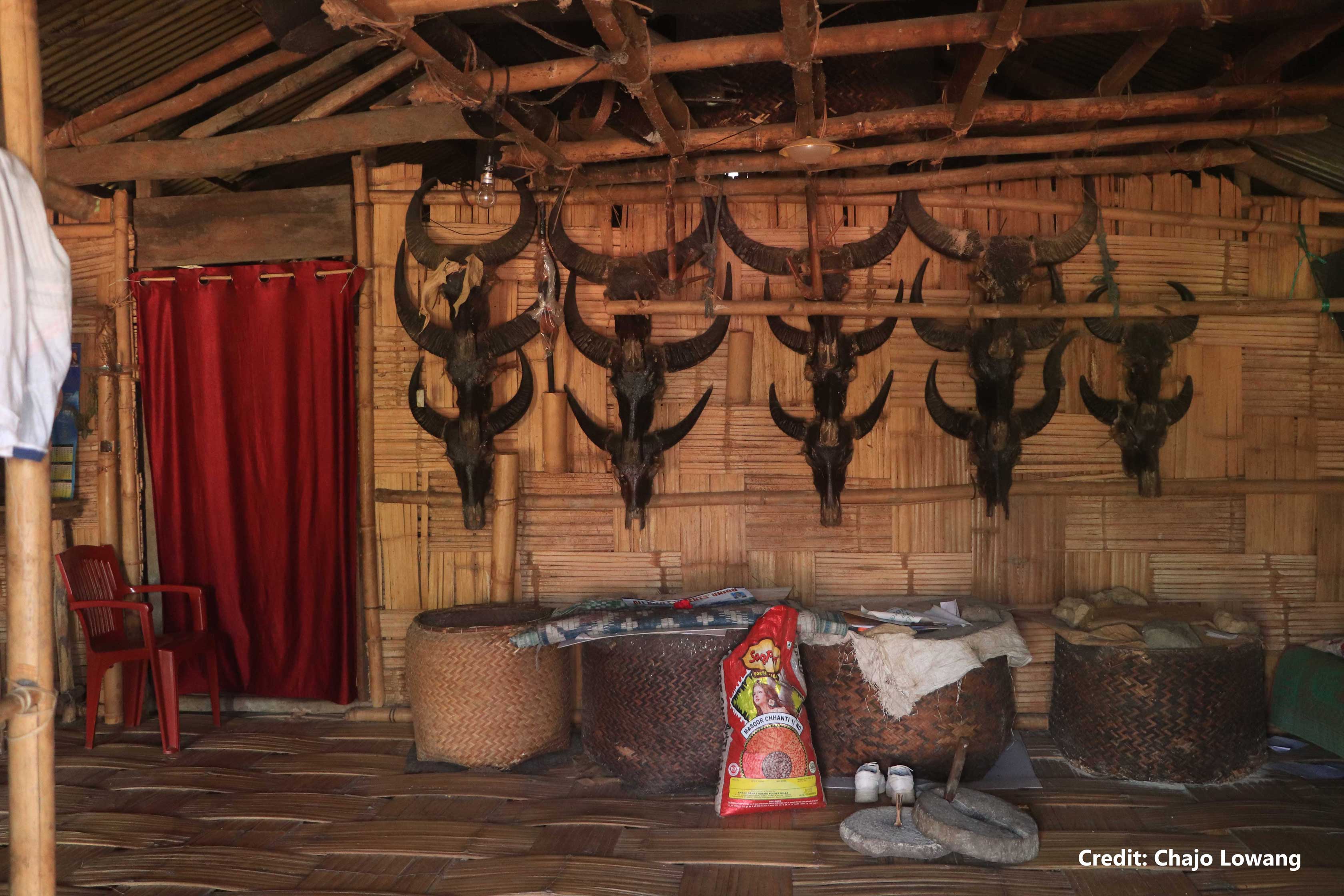
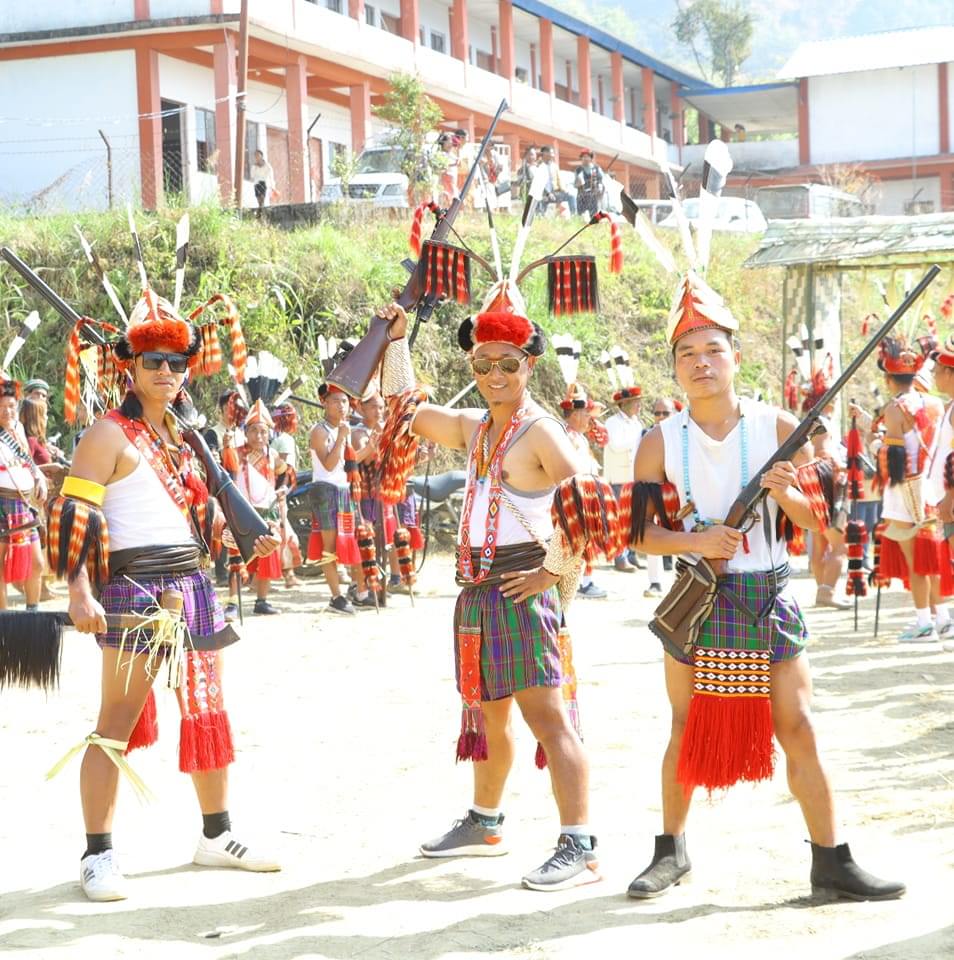
Preserving warrior traditions and community spirit.
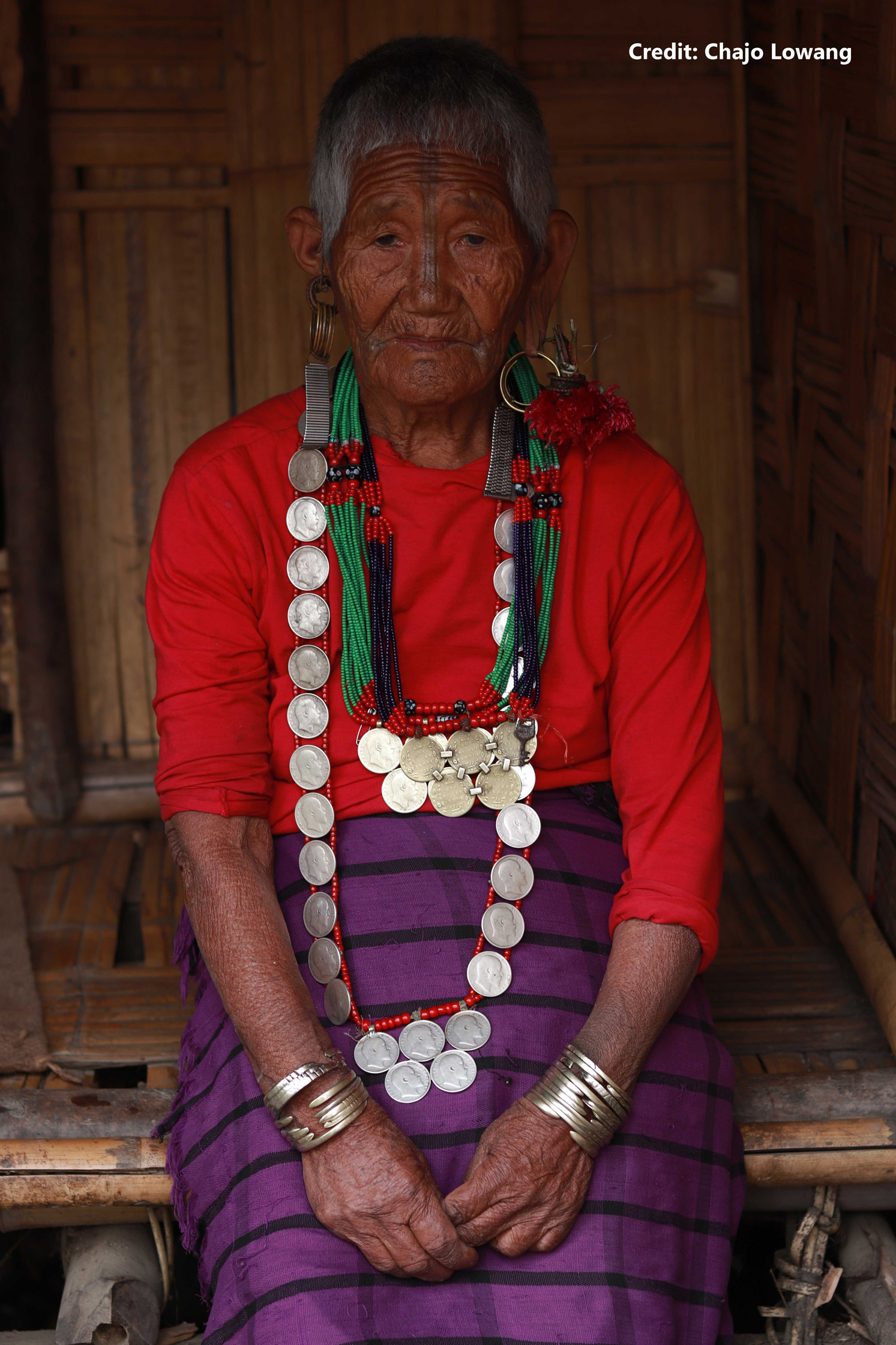
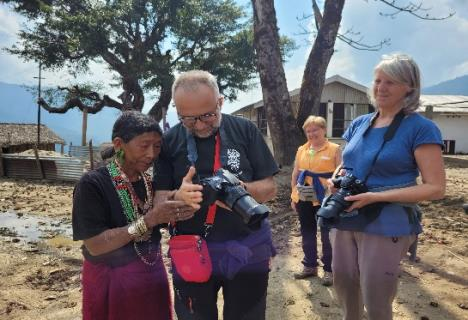
Grace and wisdom reflected in cultural attire.
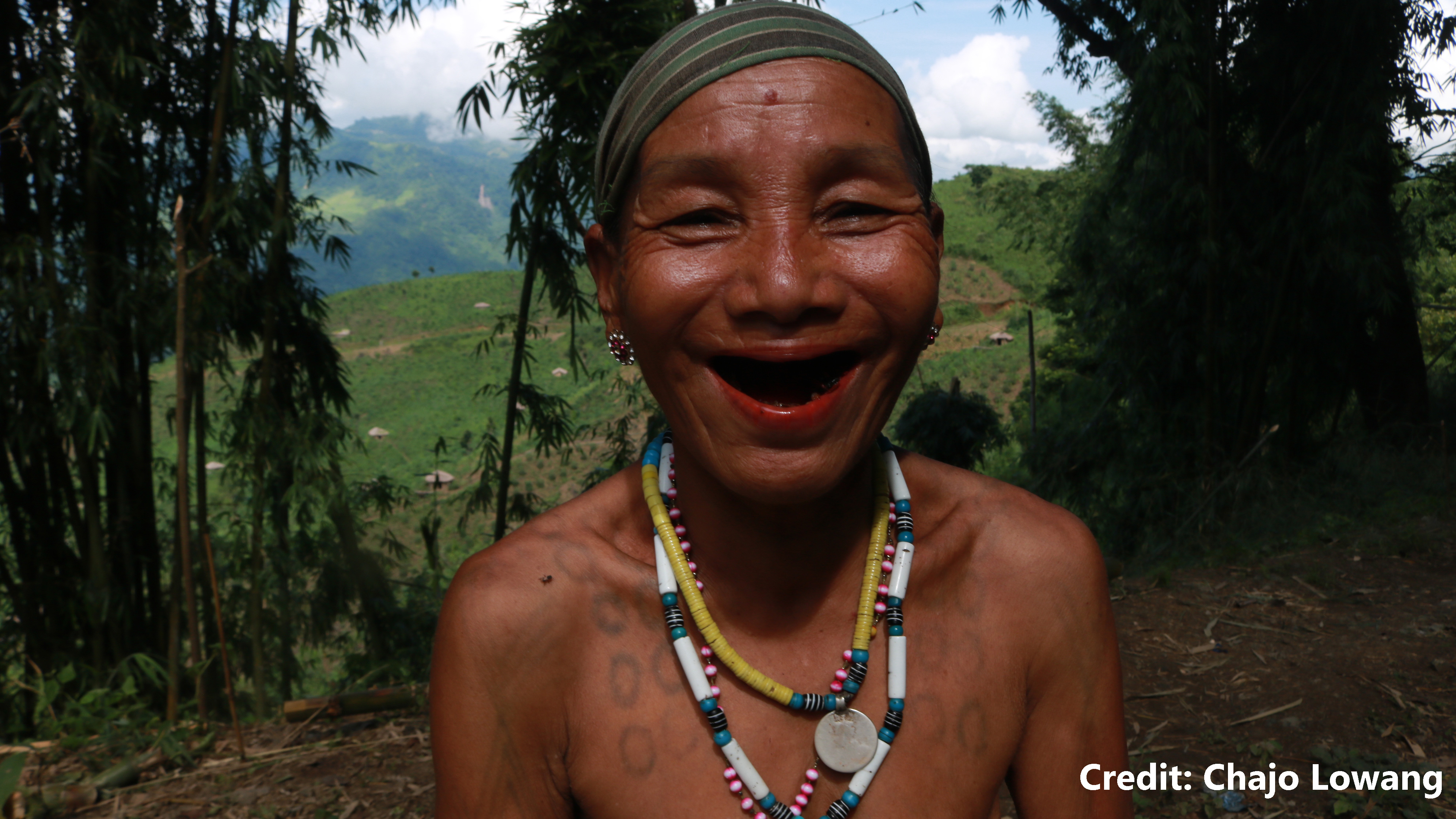
The joy and warmth of tribal life in the hills of Tirap.
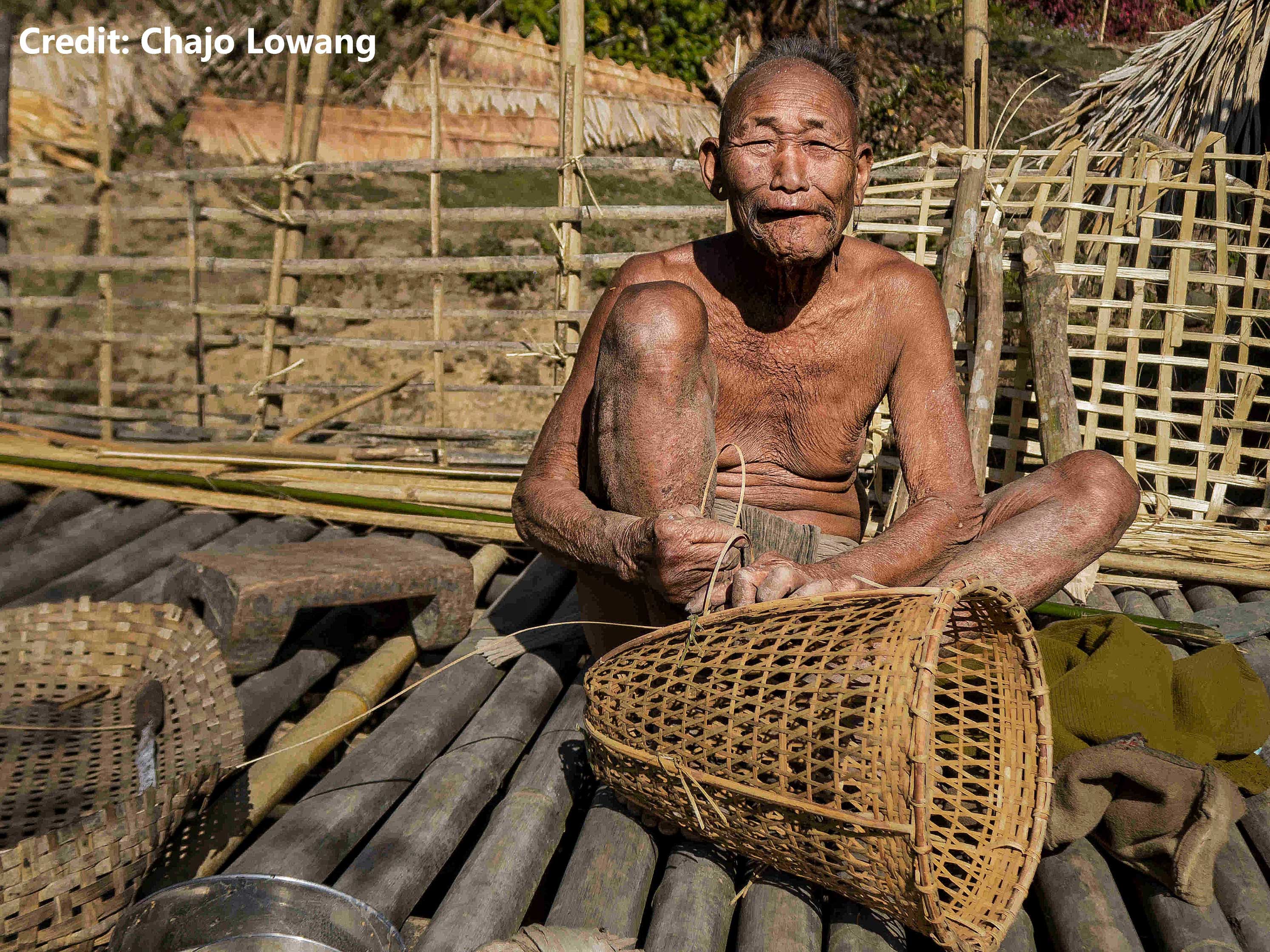
Keeping alive the age-old art of bamboo craft in Tirap.
Some popular places include Khonsa, Laju valley, Dadam Hills and Deomali. These locations are known for scenic beauty and cultural experiences.
The best time is from October to April when the weather is pleasant and festivals are celebrated across the region.
Tirap is accessible by road from Assam and Arunachal Pradesh. Nearest railway stations are Tinsukia and Dibrugarh, and the closest airport is Dibrugarh Airport.
Yes, Tirap offers hotels, guesthouses, and homestays. Booking in advance is recommended during peak tourist seasons.
Try local dishes like Jumin (rice beer), bamboo shoot curry, smoked meats, and local fish preparations for an authentic taste of Tirap.